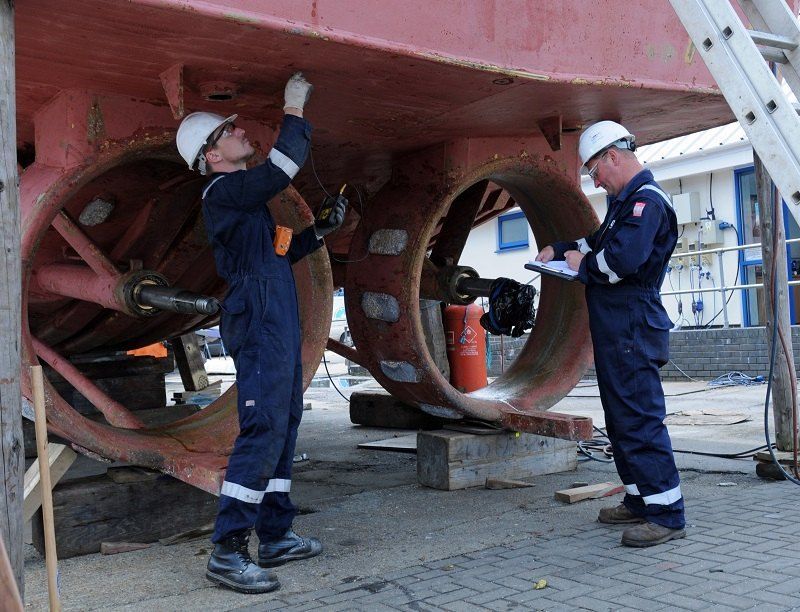

In-Service Coating & Corrosion Surveys

Mining, Oil and Gas Coating Inspection Specialists

Independent coating inspection and corrosion management support helping mining and oil and gas operators across Western Australia protect critical infrastructure, maintain compliance and extend asset life.

AMPP CIP Level 3

Senior Certified Coating Inspector

ISO 8501 / 4628

Preparation & defect classification

ASTM D7234

Pull-off adhesion testing

ICRI 310.2R

Concrete surface profile

AMPP CIP Level 3

Senior Certified Coating Inspector

ISO 8501 / 4628

Preparation & defect classification

ASTM D7234

Pull-off adhesion testing

ICRI 310.2R

Concrete surface profile

Defence and naval

White checkmark inside a black circle icon

Defence and naval

White checkmark in a black circle icon

Defence and naval

White checkmark in a black circle icon on a white background
White checkmark in a black circle icon

Marine and shipping

Mining, oil and gas

White checkmark in a black circle icon

Government and infrastructure

White check mark inside a black circle icon
White checkmark in a black circle icon on a white background

Government and infrastructure

White checkmark inside a black circle on a white background
White checkmark in a black circle icon

Marine and shipping

White checkmark in a black circle icon

Ports and maritime infrastructure

General heavy industry

Corrosion Challenges in Mining, Oil and Gas Operations

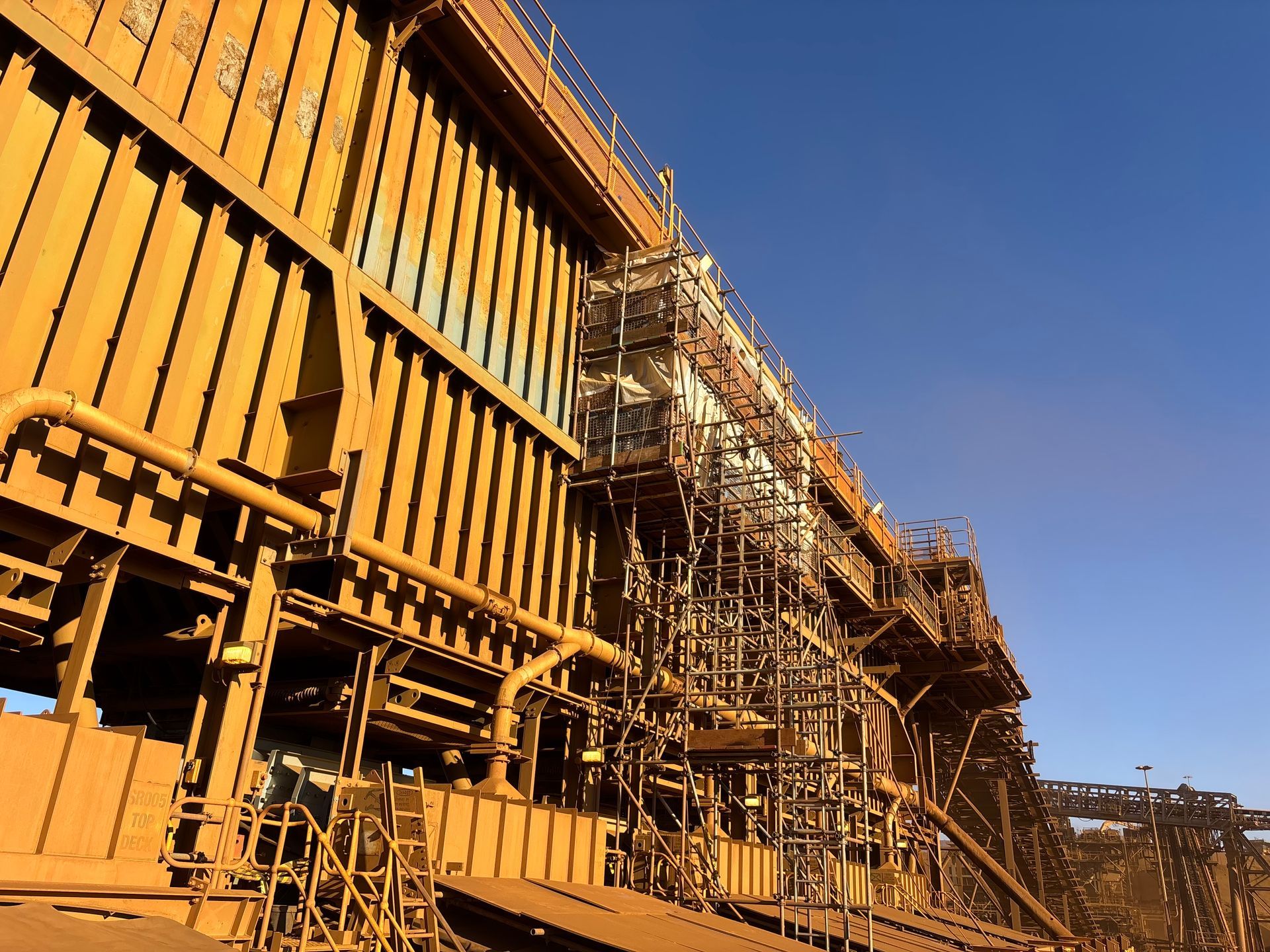
Orange industrial structure under construction against a clear blue sky

Mining and oil and gas assets in Western Australia operate in some of the harshest corrosive environments in the world. Coastal humidity and salt-laden air across the Pilbara and North West Shelf accelerate coating breakdown, while abrasion, chemical exposure and extreme temperature swings place ongoing stress on protective systems.


Remote site locations compound the problem. A coating failure discovered too late can mean unplanned shutdowns, costly remedial works and safety risk, rather than a scheduled maintenance item.


Left unmanaged, corrosion directly affects production uptime, maintenance planning, asset integrity and environmental compliance.
Mining and oil & gas assets in Western Australia operate in some of the harshest corrosive environments in the world. Coastal humidity and salt-laden air across the Pilbara and North West Shelf accelerate coating breakdown, while abrasion, chemical exposure and extreme temperature swings place ongoing stress on protective systems.

Remote site locations compound the problem. A coating failure discovered too late can mean unplanned shutdowns, costly remedial works and safety risk, rather than a scheduled maintenance item.


Left unmanaged, corrosion directly affects production uptime, maintenance planning, asset integrity and environmental compliance.

Orange industrial structure under construction against a clear blue sky

Proactive Coating Inspection and Quality Assurance is the Difference Between a Controlled Maintenance Program and an Expensive Surprise.

Independent and Unbiased

How Defender Corrosion Control Supports Mining and Energy Operations

Defender Corrosion Control provides mining coating inspection and oil and gas coating inspection services, working alongside asset owners, project engineers and maintenance teams throughout the asset lifecycle, from protective coatings application through to in-service condition assessment.  Our independent inspectors verify surface preparation, monitor coating application, carry out condition assessment and quality assurance checks, and flag defects before they become failures. Learn more about our Coating Inspection & Verification service.

Where coating failures are identified, our Failure Analysis & Remedial Specification service helps determine the root cause and recommend corrective actions. For ongoing asset maintenance, our In-Service Coating & Corrosion Surveys provide scheduled condition assessments that support long-term integrity planning.


Because Defender is not aligned to any contractor or coating supplier, every finding is reported in the asset owner's interest. That independence gives mining and energy operators confidence that protective coatings are performing as specified, contractors are meeting their obligations, asset integrity is protected, and maintenance planning is directed to where it is genuinely needed.

Defender Corrosion Control provides mining coating inspection and oil and gas coating inspection services, working alongside asset owners, project engineers and maintenance teams throughout the asset lifecycle, from protective coatings application through to in-service condition assessment. Our independent inspectors verify surface preparation, monitor coating application, carry out condition assessment and quality assurance checks, and flag defects before they become failures. Learn more about our Coating Inspection & Verification service.


Where coating failures are identified, our Failure Analysis & Remedial Specification service helps determine the root cause and recommend corrective actions. For ongoing asset maintenance, our In-Service Coating & Corrosion Surveys provide scheduled condition assessments that support long-term integrity planning.


Because Defender is not aligned to any contractor or coating supplier, every finding is reported in the asset owner's interest. That independence gives mining and energy operators confidence that protective coatings are performing as specified, contractors are meeting their obligations, asset integrity is protected, and maintenance planning is directed to where it is genuinely needed.

Tailings and water treatment infrastructure

Black circle with a white checkmark icon

Heavy mobile equipment and fixed plant

White checkmark inside a black circle icon

Mining, Oil and Gas Assets We Inspect

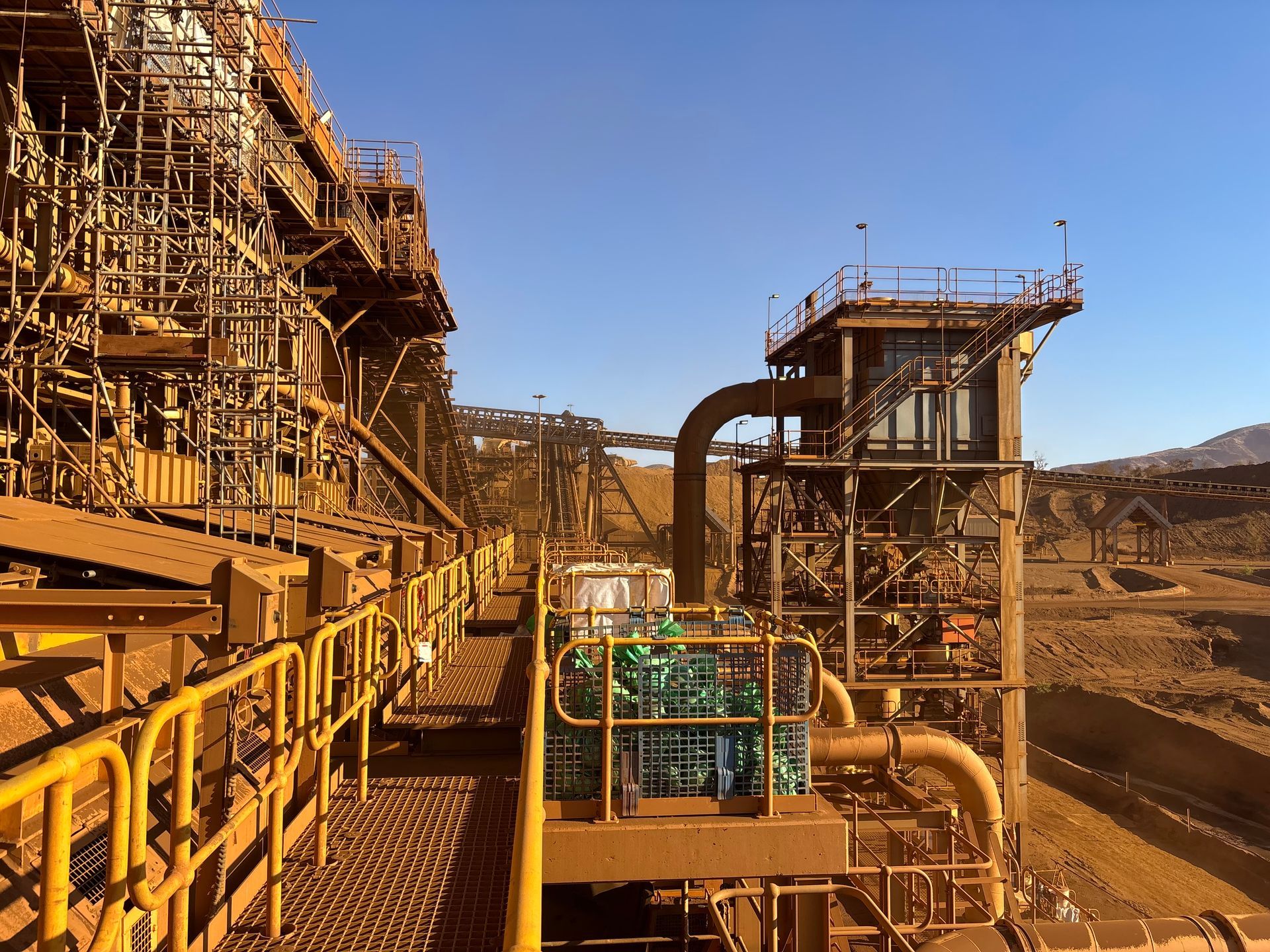
Industrial mining facility with rust-colored metal structures, pipes, and conveyors in a dusty open-pit site

Mining Assets

Black circle with a white checkmark icon

Processing plants and structural steel

White checkmark in a black circle icon

Conveyors, crushers and mills

Black circle with a white check mark icon

Storage tanks and pipework

White checkmark inside a black circle icon

Concrete floors, bund walls, sumps and drains

White checkmark in a black circle icon

Tailings and water treatment infrastructure

White checkmark inside a black circle icon.

Heavy mobile equipment and fixed plant

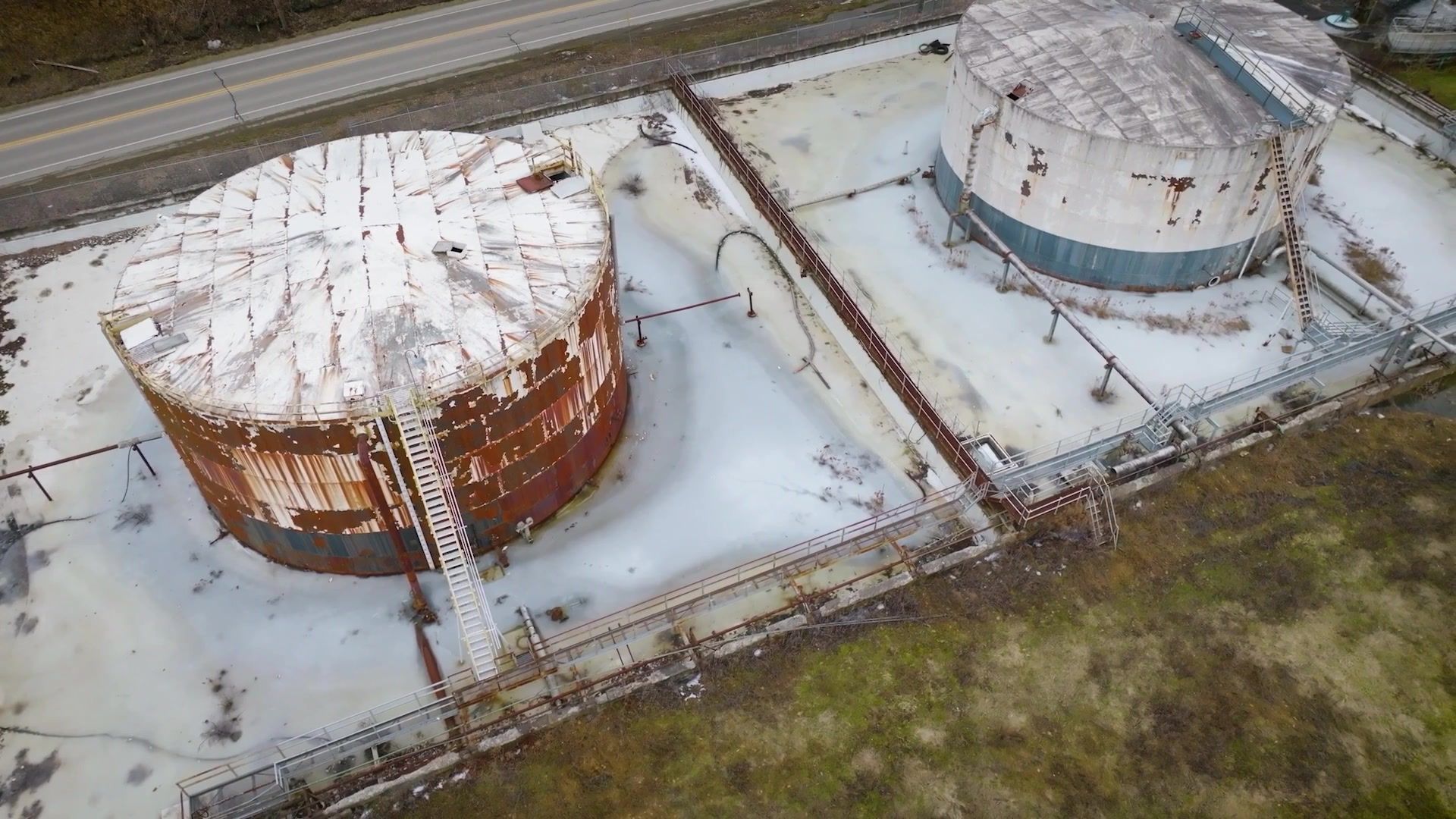
Aerial view of two large snow-covered cylindrical tanks beside a road and grassy field.

Oil & Gas Assets

White checkmark inside a black circle icon

Pipelines and pressure vessels

White check mark inside a black circle icon on a white background

Onshore and offshore processing facilities

Black circle with a white checkmark icon

Storage tanks and terminals

White checkmark inside a black circle icon

Structural steel and marine infrastructure

We inspect protective coatings on both steelwork and concrete and civil structures, containment bunds, sumps and process floors included. Every one of these asset classes depends on a coating system performing exactly as designed, and on independent verification to confirm that it is.

Corrosion and Coating Services for Mining and Energy Assets

Mining and energy operators rarely need just one thing. A shutdown scope, a contractor performance problem and a premature coating failure are usually the same story at different stages. Defender supports the full cycle.

Coating Inspection & Verification

Third-party coating inspection across surface preparation, environmental conditions and application quality, with full material traceability for quality assurance and warranty audits.

Learn More
In-Service Coating & Corrosion Surveys

Condition assessment of fixed plant, structures and process facilities, zoned for repeatable results and severity-rated so maintenance planning and shutdown scopes follow the risk.

Learn More
Failure Analysis & Remedial Specification

Root cause investigation when protective coatings fail early, plus the remedial specification to correct it, documented for warranty, contract and insurance positions.

Learn More
Contractor Evaluation & Mentoring

 Independent assessment of contractor capability and competency ahead of shutdowns, with hands-on mentoring that cuts rework and schedule risk.


Learn More

Protective Coating Inspection and Verification

Independent, standards-aligned inspection of protective coating systems to confirm compliance, identify defects and support warranty, classification and lifecycle requirements. Every inspection is backed by calibrated instrumentation, photographic evidence and audit-ready reporting. 

Learn More

In-Service Coating and Corrosion Surveys

Structured condition assessments of coating systems on industrial assets, giving you clear, decision-ready reporting to support maintenance planning, shutdown scopes, risk reduction and long-term asset integrity programs. 

Learn More

Failure Analysis and Remedial Specification

When coatings fail, we identify the root cause through forensic investigation and develop targeted remedial specifications that restore protection, prevent recurrence and support warranty, insurance and dispute outcomes. 

Learn More

Contractor Evaluation and Mentoring

A short and engaging description that appears on hover.

Learn More

Marine Painting and Coating Services

High-quality marine painting and protective coating application for Defence, commercial and offshore vessels, from surface preparation and environmental control through to application oversight and final inspection.

Learn More
View Case Studies

PROVEN RESULTS, REAL PROJECTS

This is paragraph text. Click it or hit the Manage Text button to change the font, color, size, format, and more. To set up site-wide paragraph and title styles, go to Site Theme.

Our Inspection & Corrosion Management Approach

Defender's coating inspection process begins with the coating specification itself, then follows the work through every stage: surface preparation verification, environmental condition checks, coating application monitoring, dry film thickness testing and visual inspection for defects.


Findings are documented with calibrated instrumentation, photographic evidence and digital reporting, giving asset owners a clear, audit-ready record of coating performance and a documented quality assurance trail for maintenance planning.

This structured, independent methodology is what allows Defender to give contractors and asset owners a defensible, standards-aligned answer to a simple question: is this protective coating system going to protect the asset, and its asset integrity, for as long as it's supposed to?

ISO 8501

Surface preparation grades

IMO PSPC

Protective coatings where classification society requirements apply

Our Inspection and Corrosion Management Approach

Defender's coating inspection process begins with the coating specification itself, then follows the work through every stage. Findings are documented with calibrated instrumentation, photographic evidence and digital reporting, giving asset owners a clear, audit-ready record of coating performance and a documented quality assurance trail for maintenance planning.

STAGE 01

Hold point

Specification Review

We start with the coating specification and acceptance criteria, so every reading taken later measures against something agreed.

STAGE 02

Hold point

Surface Preparation Verification

Cleanliness, profile, chloride and dust testing against ISO 8501 or the nominated project standard.

STAGE 03

WITNESS Point

Environmental Condition Checks

Ambient temperature, relative humidity, substrate temperature and dew point tracked through the application window.

STAGE 04

WITNESS point

Coating Application Monitoring

Wet film checks, coat sequencing and recoat windows monitored as the work proceeds, not audited after the fact.

STAGE 05

Hold point

Dry Film Thickness & Visual Inspection

Calibrated DFT readings across all coats and defect identification classified to recognised standards.

STAGE 06

REPORT

Digital Reporting & Evidence Pack

Photographic evidence and instrument records issued in the format site quality teams expect, ready for a QA audit.

This structured, independent methodology is what allows Defender to give contractors and asset owners a defensible, standards-aligned answer to a simple question: is this protective coating system going to protect the asset, and its asset integrity, for as long as it's supposed to?

Standards, Compliance & Industry Requirements

Defender's inspection methodology aligns with the standards mining and energy operators rely on for compliance and warranty assurance. Where a client's engineering specification calls for a particular standard or acceptance criteria, our inspectors work to that specification directly.

AMPP / NACE

Coating inspection standards and inspector certification

ISO 8501

Surface preparation grades

ISO 4628

Defect classification and degradation rating

AS 1627

Metal finishing preparation and pretreatment

ASTM / SSPC

Defect classification systems

ICRI 310.2R

Concrete surface profile criteria

ASTM D7234

Pull-off adhesion testing for concrete substrates

IMO PSPC

Protective coatings where classification society requirements apply

Meeting these standards isn't a compliance exercise for its own sake. It's what gives asset owners, insurers and classification bodies confidence that a coating system will perform as intended.

Tailings and water treatment infrastructure

Black circular checkmark icon with a white check inside

Heavy mobile equipment and fixed plant

White check mark inside a black circle icon

We inspect protective coatings on both steelwork and concrete and civil structures, containment bunds, sumps and process floors included. Every one of these asset classes depends on a coating system performing exactly as designed, and on independent verification to confirm that it is.

Pilbara iron ore · process facility · current

Independent inspection of a three-coat protective coating system applied to concrete floors, bund walls, sumps and drains at a process facility on a Pilbara iron ore mine — a current engagement. Scope covers surface preparation to the specified concrete surface profile (ICRI 310.2R), environmental compliance, holiday testing, and pull-off adhesion testing to ASTM D7234 against a 2.1 MPa acceptance criterion. Every applicator passed an independent Verification of Competency assessment — theory and a practical test panel — before mobilising to site.

Three-coat system on concrete floors and containment

Pilbara iron ore · structural life extension

Independent quality assurance of protective coatings on a structural life-extension project at a Pilbara iron ore operation, engaged by a Tier 1 engineering contractor. Welded compensation-plate repairs to surge bin walls were prepared and coated to the operator's standard steelwork protective coatings specification. DCC inspected every stage against the approved inspection and test plan — ambient condition tracking, surface profile, chloride and dust testing, and wet and dry film thickness verification across all coats — with hold points witnessed alongside the operator's own coating advisors.

Independent QA on surge bin wall repairs

Concrete floors, bund walls, sumps and drains

Black circle with a white check mark icon

Conveyors, crushers and mills

White check mark in a black circle icon
White checkmark in a black circle icon.

Mining Assets

White checkmark inside a black circle icon.

Storage tanks and pipework

White checkmark inside a black circle icon

Heavy mobile equipment and fixed plant

White checkmark in a black circle icon

Tailings and water treatment infrastructure

Processing plants and structural steel

Our Experience in Mining

Workers in yellow and blue coats pour concrete on a construction site under a metal roof

Pilbara iron ore · structural life extension

Independent QA on Surge Bin Wall Repairs

Independent quality assurance of protective coatings on a structural life-extension project at a Pilbara iron ore operation, engaged by a Tier 1 engineering contractor. Welded compensation-plate repairs to surge bin walls were prepared and coated to the operator's standard steelwork protective coatings specification. Defender Corrosion Control  inspected every stage against the approved inspection and test plan, ambient condition tracking, surface profile, chloride and dust testing, and wet and dry film thickness verification across all coats, with hold points witnessed alongside the operator's own coating advisors.

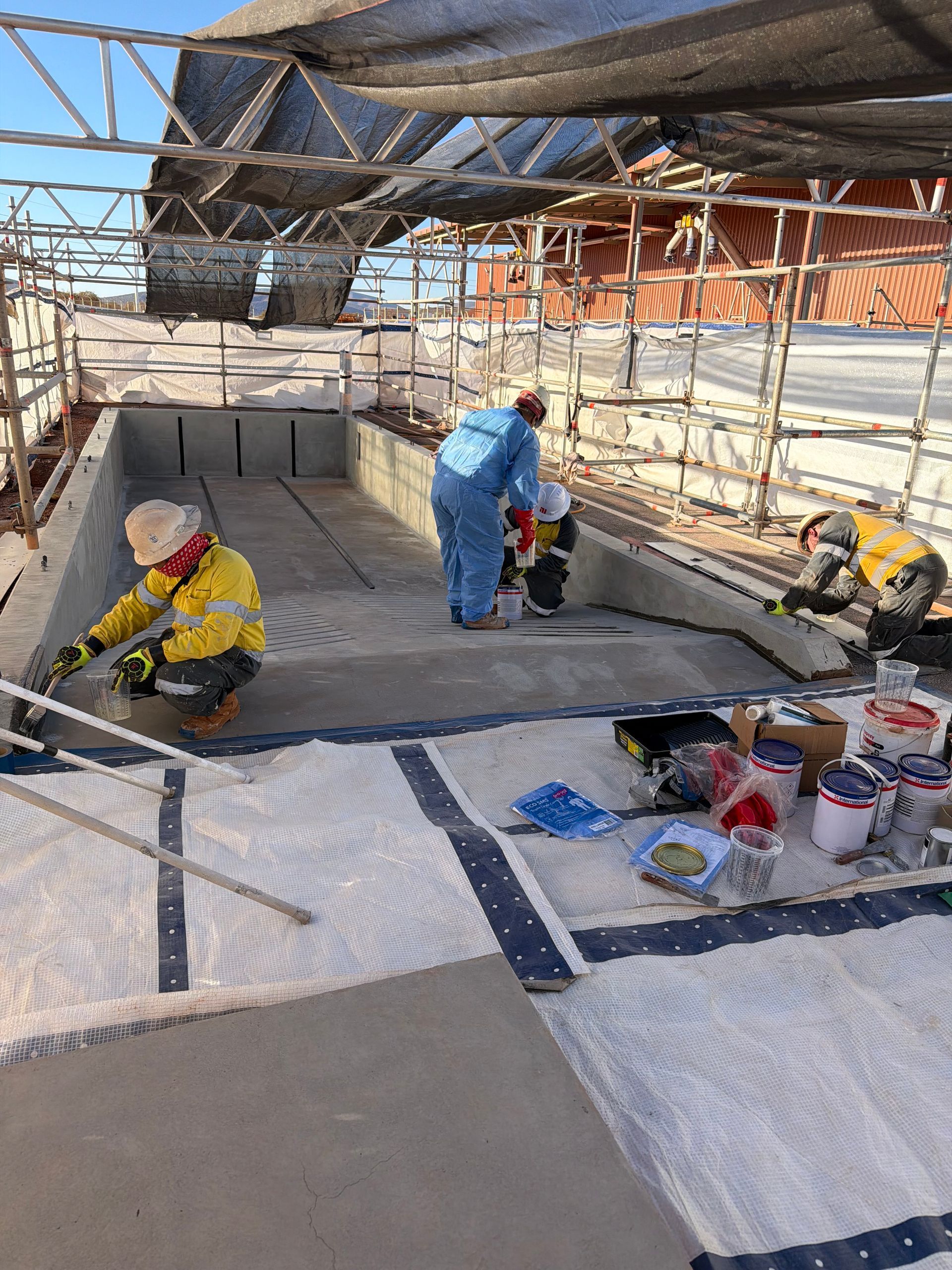
Empty indoor skate bowl under a tarp roof, with smooth gray concrete ramps and coping.

Pilbara iron ore · process facility · current

Three-coat System on Concrete Floors & Containment

Independent inspection of a three-coat protective coating system applied to concrete floors, bund walls, sumps and drains at a process facility on a Pilbara iron ore mine, a current engagement. Scope covers surface preparation to the specified concrete surface profile (ICRI 310.2R), environmental compliance, holiday testing, and pull-off adhesion testing to ASTM D7234 against a 2.1 MPa acceptance criterion. Every applicator passed an independent Verification of Competency assessment, theory and a practical test panel, before mobilising to site.

We work inside Tier 1 contractor and operator systems every day: inspection and test plans, hold and witness points, NCR and RFI protocols, and daily reporting deadlines. Our records arrive in the format site quality teams expect, and they stand up when a warranty, contract position or QA audit tests them.

Defence and naval

White check mark in a black circle icon

Defence and naval

White checkmark in a black circle icon

Defence and naval

Black circle with a white checkmark icon
White checkmark in a black circle icon on a white background

Marine and shipping

Mining, oil and gas

White checkmark inside a black circle icon

Government and infrastructure

White check mark inside a black circle icon on a white background
White checkmark inside a black circle icon

Government and infrastructure

White checkmark in a black circle icon

Marine and shipping

White checkmark in a black circle icon

Ports and maritime infrastructure

General heavy industry

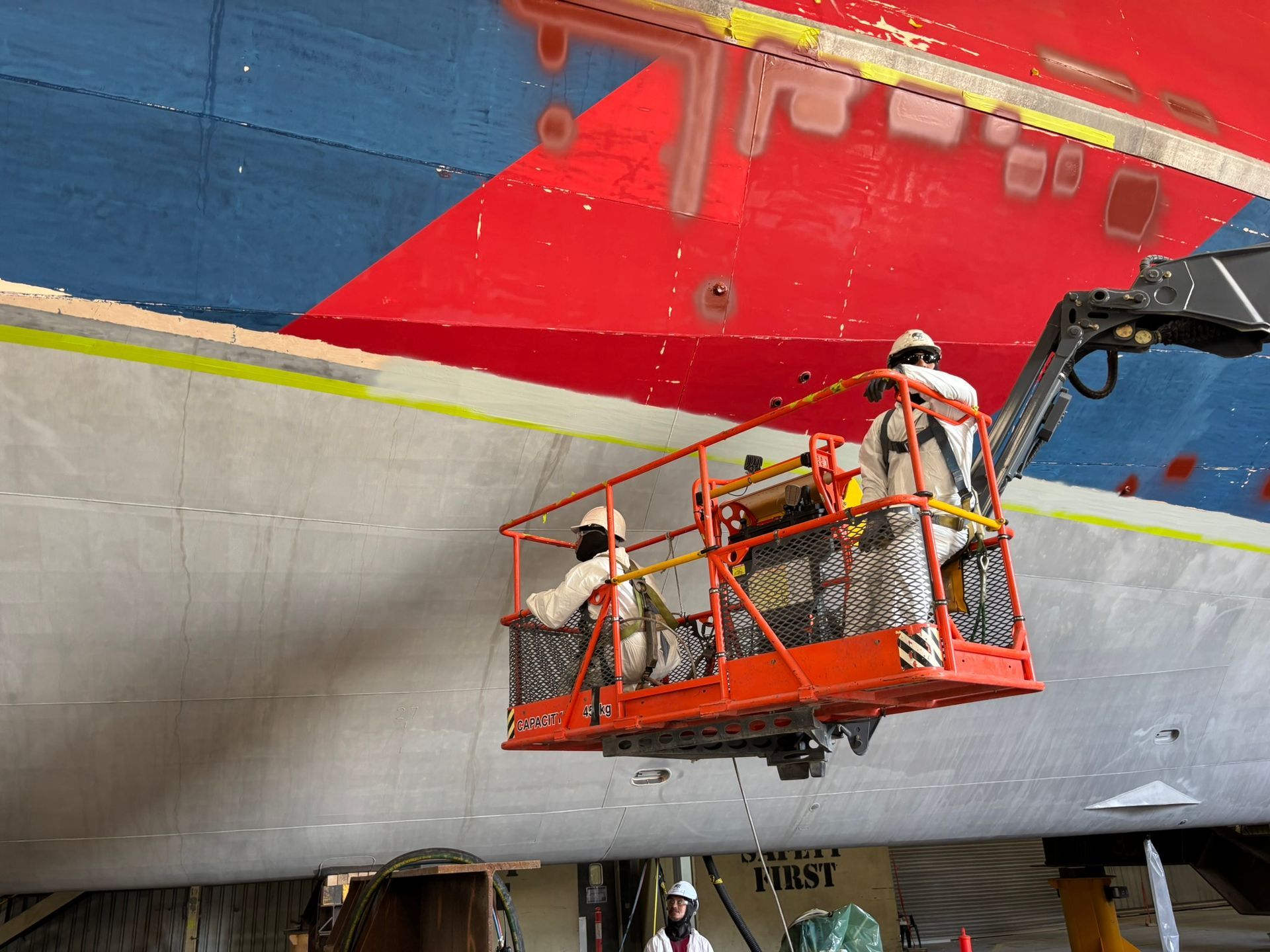
When a coating fails prematurely, the cost is rarely just the paint. Docking schedules slip, warranties get contested and maintenance budgets blow out. Independent third party inspection catches the problems early, while they are still cheap to fix.

Large blue ship inside a shipyard dry dock, with scaffolding and a metal hull nearby.

Our Experience in Oil & Gas

Defender's founder and Managing Director, Nicholas Riley, brings more than twenty years to every oil and gas engagement. An AMPP Senior Certified Coating Inspector (CIP Level 3), the highest level of coating inspector certification, and a qualified Master Painter, Nick began his career as a corrosion technician and coating inspector on hydrocarbons and refining facilities internationally.

He then progressed through senior operational roles in the sector, managing offshore shutdown execution across more than fourteen platforms in Bass Strait, and leading core maintenance, fabric maintenance and turnaround delivery under a national master maintenance contract for a major Australian oil and gas operator.

That history means we understand oil and gas assets from both sides: the owner's need for uptime, integrity and compliance, and the contractor's reality of schedule, access and cost. DCC now provides independent coating inspection, in-service coating and corrosion surveys, and failure analysis to oil and gas, mining and heavy industry operators.

Large blue ship inside a shipyard dry dock, with scaffolding and a metal hull nearby.

Why Mining & Energy Operators Choose Defender

Three black outline icons of two speech bubbles above two people using laptops connected in a network.

Independent and Unbiased

Independent, with no commercial relationship to any coating manufacturer or applicator

Black shield icon outline on a white background

Defence-Standard Quality

Led by an AMPP Senior Certified Coating Inspector (CIP Level 3) with 20+ years across Defence, marine and heavy industry

Magnifying glass over a document icon, indicating search or document review

Audit-Ready Reporting

Standards-aligned, audit-ready reporting you can act on

Location pin with person icon and check mark

Trade-Grounded Judgement

Our advice comes from the field, not the textbook, so recommendations are practical to deliver on site.

Frequently Asked Questions

  • Why is coating inspection important in mining and oil & gas environments?

    Coating failures in these environments lead to accelerated corrosion, unplanned shutdowns and expensive remedial work. Salt-laden air, abrasion, chemical exposure and temperature extremes all shorten coating life, and remote sites mean problems are often found late. Independent inspection catches defects early, before they compromise asset integrity.

  • How often should mining and oil & gas assets undergo coating inspections?

    It depends on the asset, its environment and its criticality. Assets in aggressive coastal or process environments justify shorter intervals, while sheltered structures can run longer between inspections. Because we assess assets in defined zones, each inspection is comparable to the last, so we can recommend an interval based on the actual rate of degradation rather than a generic schedule.

  • Do you inspect concrete and civil coatings, or only steelwork?

    Both. Alongside structural steel, we inspect protective coating systems on concrete floors, bund walls, sumps and drains, covering surface preparation to the specified concrete surface profile (ICRI 310.2R), holiday testing and pull-off adhesion testing to ASTM D7234 against the project's acceptance criteria. Concrete and civil containment is a common weak point in process facilities, so it is worth inspecting to the same standard as steel.

  • When should an independent coating inspector be engaged?

    Ideally before work begins. Engaging an inspector from the specification and surface preparation stage catches the issues that cause most premature failures, while they are still cheap to correct. Inspectors are also engaged mid-project where quality concerns arise, ahead of a shutdown to scope the work, or after a failure to establish the cause.

  • What are the most common causes of coating failure in mining and oil & gas facilities?

    Most premature failures trace back to surface preparation, application outside environmental limits, or the wrong system for the service conditions. Salt contamination, inadequate profile, excessive humidity or dew point at application, and missed recoat windows are recurring culprits. A proper investigation tests and measures rather than assumes, confirming which mechanisms actually drove the failure.

  • What is included in a coating inspection report?

    A typical report documents surface preparation and environmental readings, dry film thickness measurements, defect identification and classification against recognised standards, photographic evidence, and a clear statement of compliance against the specification. The result is an audit-ready record that supports maintenance planning, warranty positions and contractor accountability.

  • Why choose an independent coating inspector instead of the coating contractor?

    A contractor inspecting their own work has an inherent conflict of interest. An independent inspector reports only to the asset owner, so findings are objective and defensible. If a coating fails within warranty, or a classification body or auditor asks questions, independent inspection records are what protect the owner's position.

  • What is the difference between coating inspection and corrosion management?

    Coating inspection verifies that a specific coating system is applied and performing correctly. Corrosion management is the broader, ongoing strategy of monitoring, assessing and planning to keep an asset protected across its life. Inspection is one input into corrosion management; both work together to protect asset integrity.

Contractor Evaluation and Mentoring

Independent contractor evaluation and hands-on mentoring that lifts quality, compliance and consistency on site, reducing rework, defects and project delays across every stage of the project lifecycle. Link: Learn more about contractor evaluation

Learn More
Marine Painting and Coating Services

High-quality marine painting and protective coating application for Defence, commercial and offshore vessels, from surface preparation and environmental control through to application oversight and final inspection.

Learn More
Abstract gray shield-like shape with two-tone halves on a white background

Get an Independent Assessment

We provide third-party verification that supports assurance, compliance and contract integrity, with no vested interest in the outcome.

Request a Consultation

Failure Analysis & Remedial Specification

Learn More
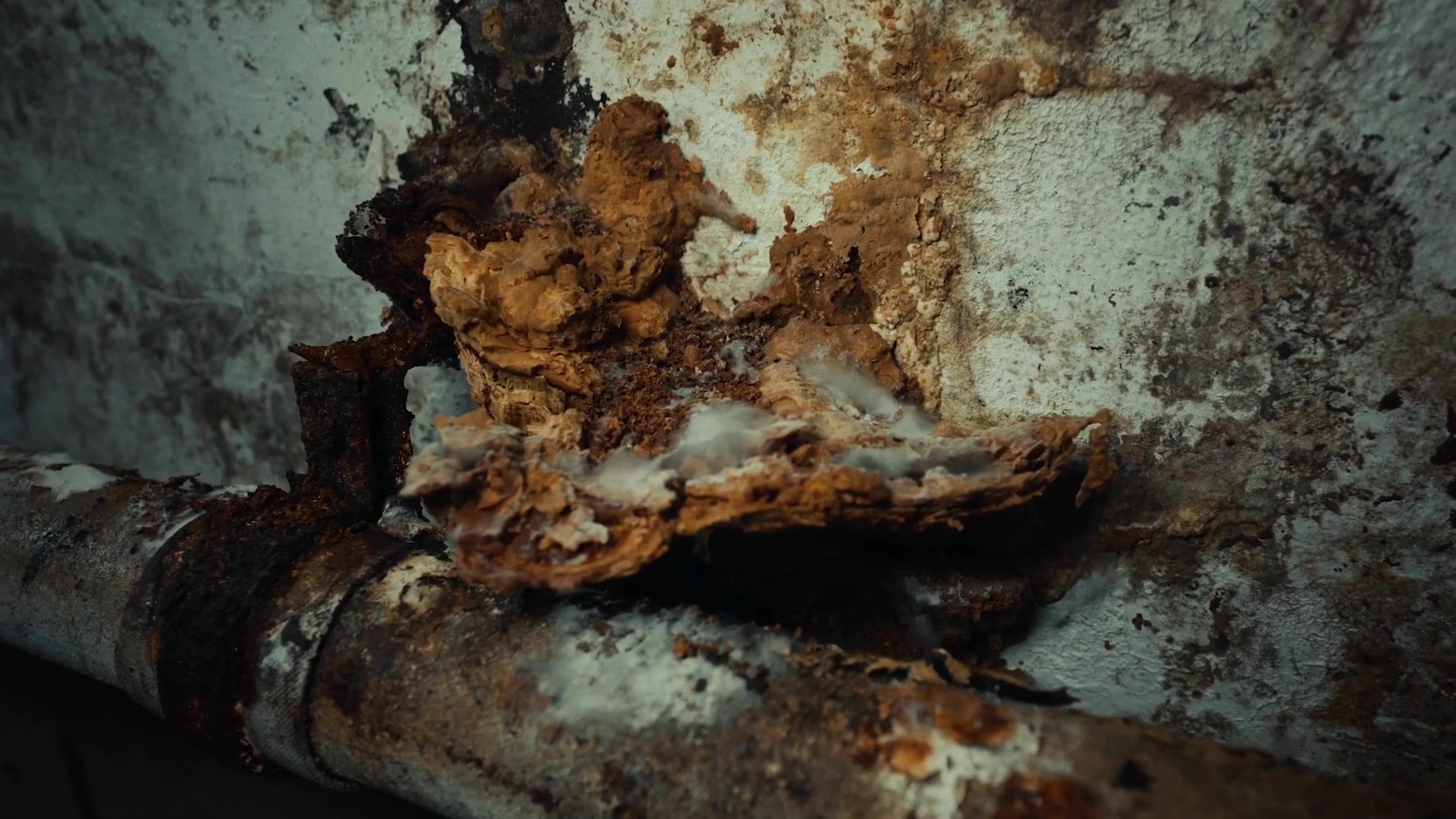
Rusty corroded metal pipe and wall with flaking brown-orange rust and peeling paint
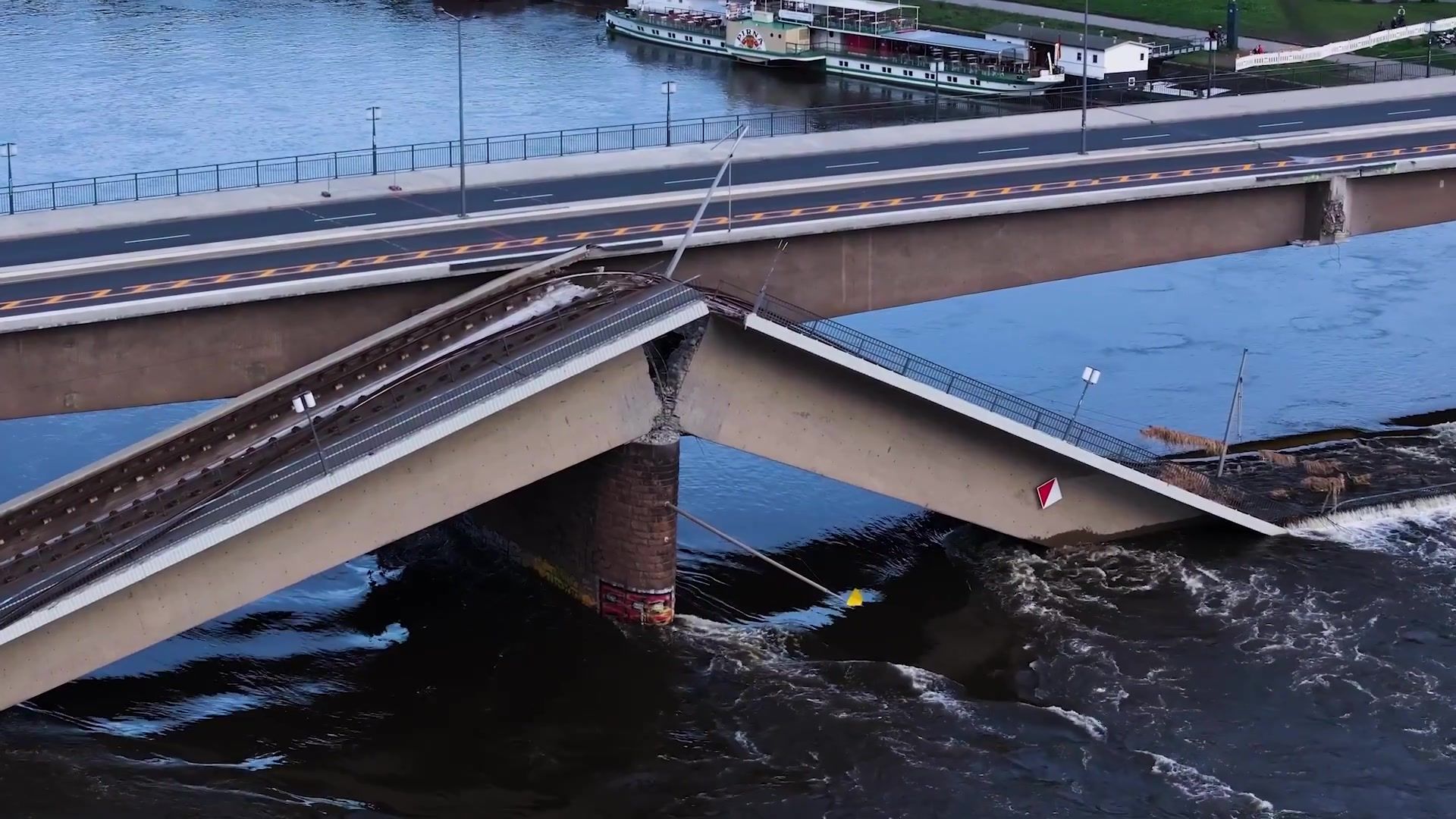
Collapsed bridge over churning water with a damaged span and debris near the shoreline

Other Industries We Serve

Defence

Government and Infrastructure

This is required
Enter an email Use an address with (@) and (.)
This is required
Enter your phone number Enter a valid number like +1555-123-4567
This is required

Protect Your Critical Mining and Energy Assets

Talk to Defender Corrosion Control about your next project, coating inspection, asset condition assessment or corrosion management requirement. Independent, standards-aligned advice from a team that works inside Tier 1 operator and contractor systems every day.