Case Studies

Pilbara Concrete Coating Inspection

Snow-covered ski slope under protective netting with groomed tracks and a snowy mountain backdrop

Independent Coating Inspection on Pilbara Concrete Infrastructure

The Challenge

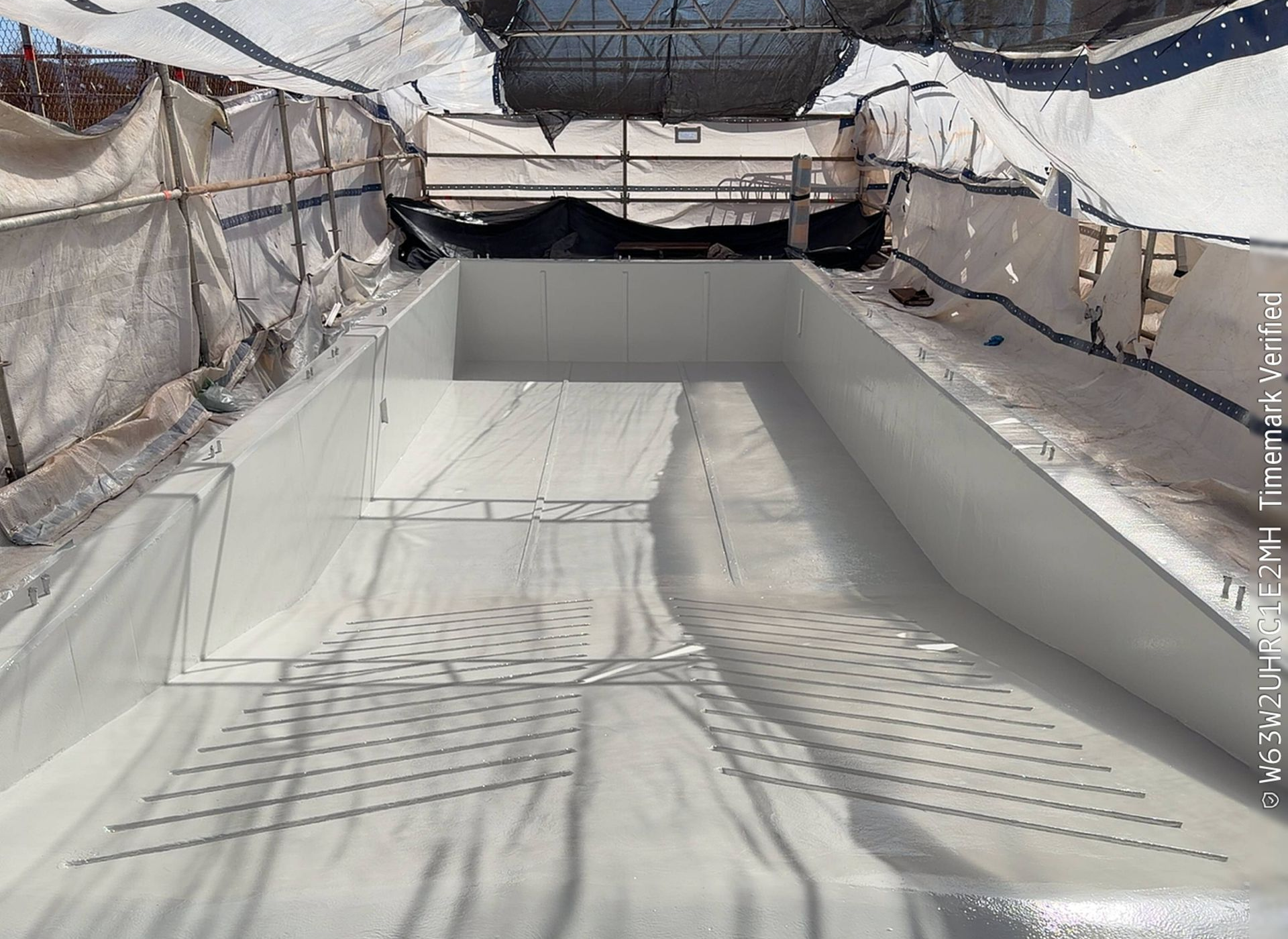
Coating concrete in an operating iron ore environment is less forgiving than steel. Substrate porosity and microcracking must be repaired and verified before any coating is applied, concrete surface profile targets have to be achieved by abrasive blasting without over-cutting, and the sequencing of joint sealants against a rigid epoxy system has to be right, because a coating carried across the wrong substrate at the wrong stage will crack.


All of this on a remote site, inside a Tier 1 quality framework, with the operator's own QA advisors reviewing the work.

Snow-covered ski slope under protective netting with groomed tracks and a snowy mountain backdrop

Defender's Role and Approach

Defender provides the project's independent coating inspection function. Before any applicator mobilised, each one passed a Verification of Competency assessment, a theory assessment and a practical test panel, with pull-off adhesion tested to ASTM D7234. On site, Defender verifies every hold and witness point: substrate repair and surface profile, environmental conditions, film builds on each coat, holiday testing and adhesion testing, all recorded daily with photographic evidence.


Where the works met technical challenges, substrate condition and the interaction between joint sealants and the coating system, Defender documented findings in writing the same day, obtained the coating manufacturer's technical guidance, and supported the contractor and operator in agreeing a remediation methodology. Defender then verified execution of that methodology step by step, maintaining the independent record for the asset's design-life file.
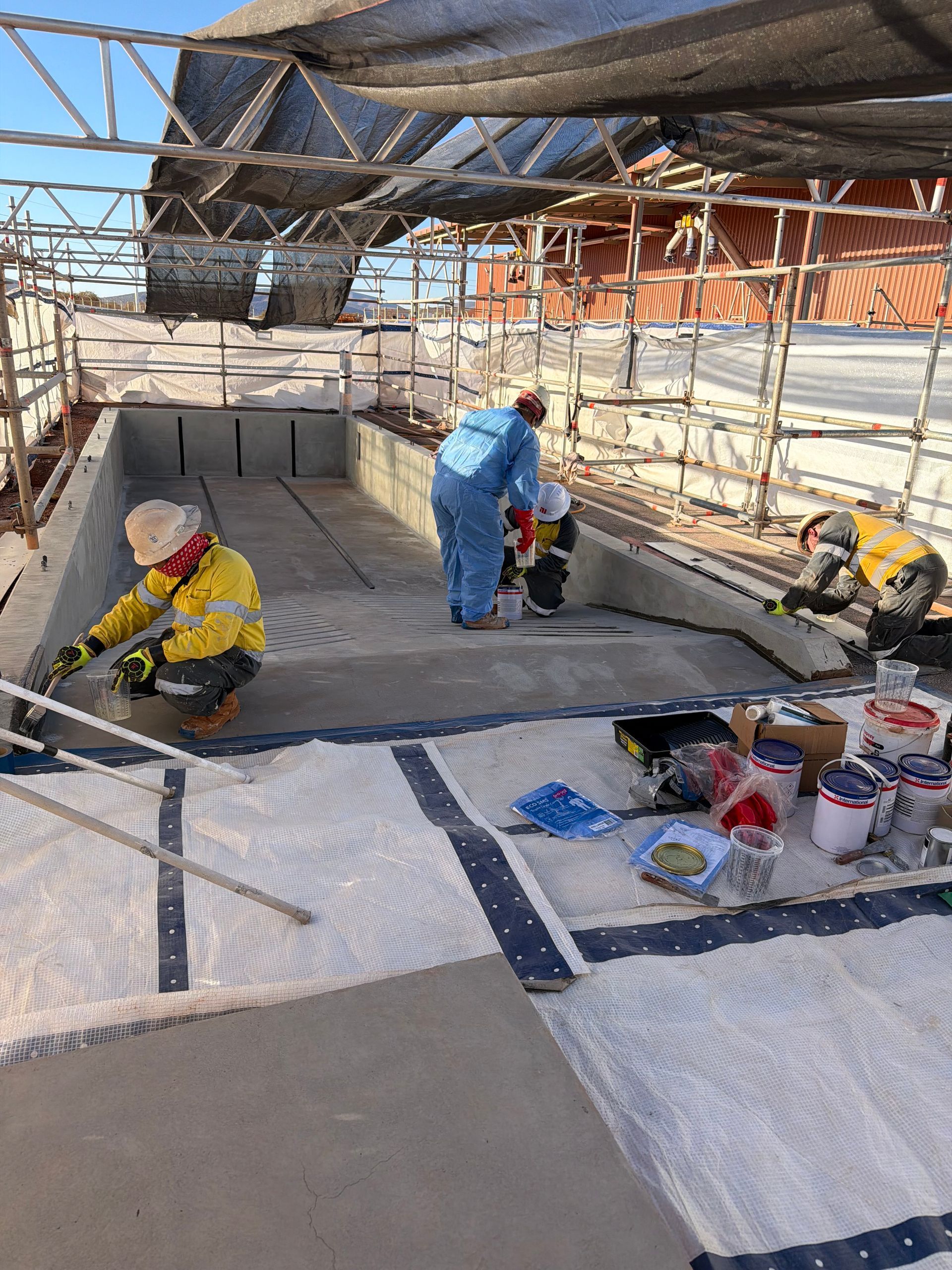
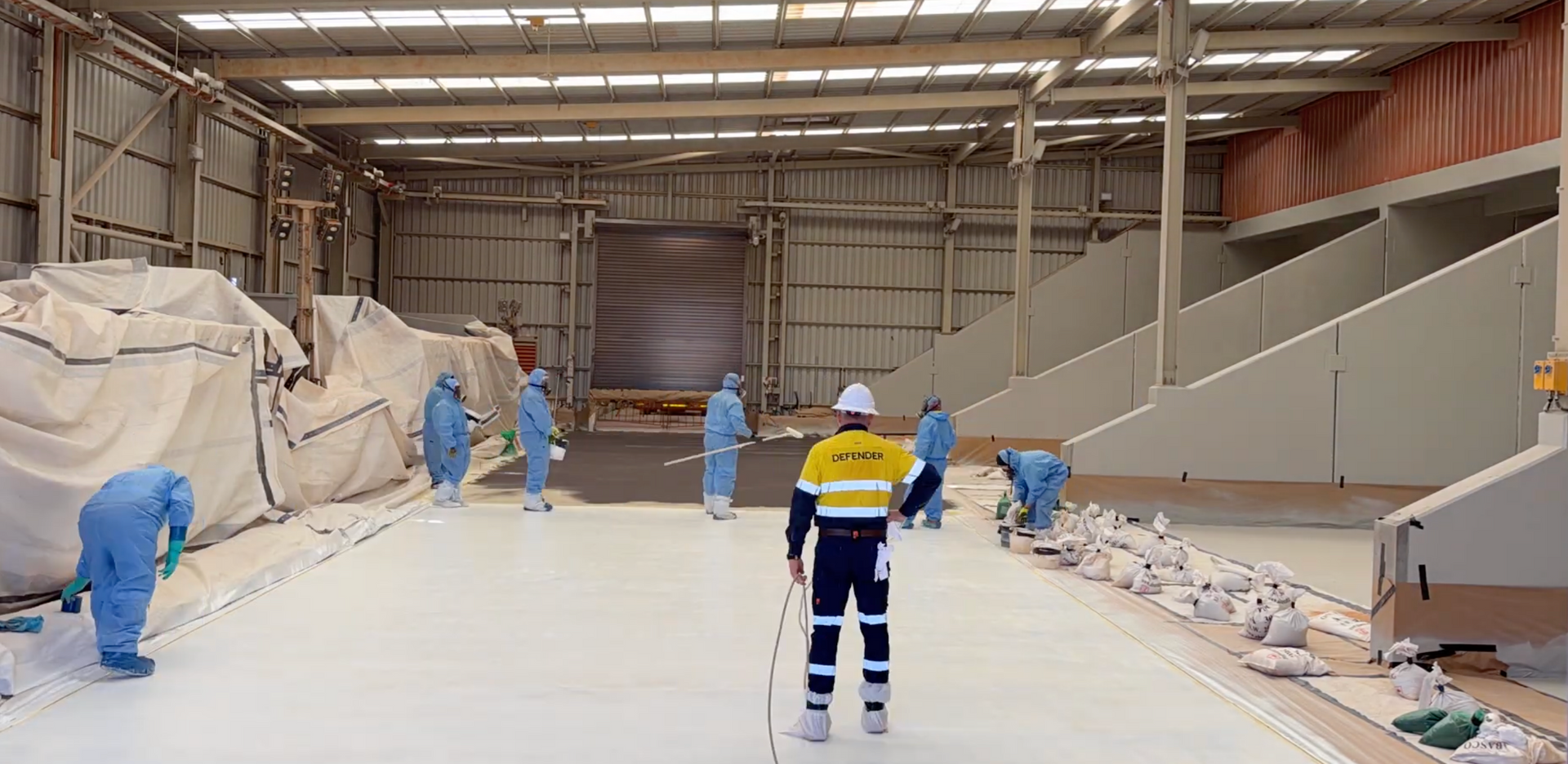
Defender provides the project's independent coating inspection function. Before any applicator mobilised, each one passed a Verification of Competency assessment, a theory assessment and a practical test panel, with pull-off adhesion tested to ASTM D7234. On site, Defender verifies every hold and witness point: substrate repair and surface profile, environmental conditions, film builds on each coat, holiday testing and adhesion testing, all recorded daily with photographic evidence.

Where the works met technical challenges, substrate condition and the interaction between joint sealants and the coating system, Defender documented findings in writing the same day, obtained the coating manufacturer's technical guidance, and supported the contractor and operator in agreeing a remediation methodology. Defender then verified execution of that methodology step by step, maintaining the independent record for the asset's design-life file.
PROJECT SNAPSHOT

Client: Tier 1 engineering contractor, for a major iron ore operator


Location: Iron ore mine, Pilbara, Western Australia


Scope: Independent coating inspection, surface preparation verification, environmental monitoring, film thickness verification, holiday testing, pull-off adhesion testing and hold/witness point sign-off, plus Verification of Competency assessment of every applicator


Key Standards: Site standard protective coatings specification; ICRI 310.2R concrete surface profiles; ASTM D7234 pull-off adhesion (2.1 MPa acceptance, per SSPC-SP 13 / NACE No. 6 reference); AS 3894 test methods


Coating System: Three-coat epoxy system on concrete, epoxy sealer coat plus two high-build epoxy coats


Status: Current engagement (2026)

Workers in blue and yellow gear sanding a floor in an unfinished building with scaffolding
Workers in blue suits spray-coating a large indoor warehouse floor with white material

The Outcome

Completed areas have been progressively inspected and signed off against the specification, with adhesion results verified against the 2.1 MPa acceptance criterion.


Technical issues were identified early, escalated in writing and resolved through an agreed methodology rather than discovered after handover, which is precisely the value of independent inspection on a coating project.

Patrol Vessel Hull Coating Verification

Blue racing sailboat on display indoors, with red bow and white mast under a hangar ceiling

Independent Verification of Patrol Vessel Hull Coating Remediation

The Challenge

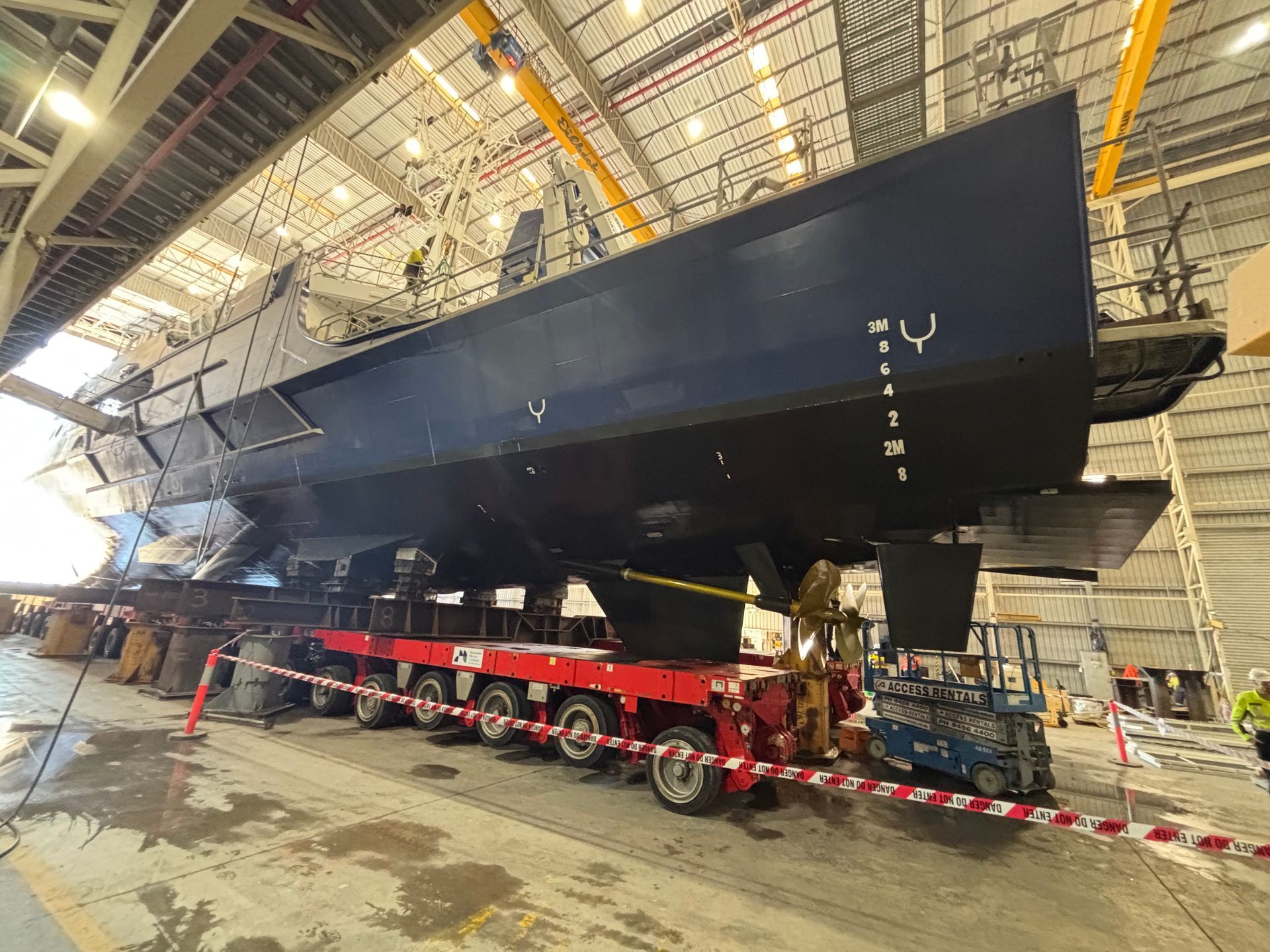
The vessel's above-waterline hull coating was remediated during a scheduled docking, with separate contractors delivering the above-waterline and below-waterline scopes. That split created a real technical risk at the waterline: two coating systems, two contractors and two preparation methods meeting along one interface.


Managed poorly, that interface is where premature failure starts. The docking schedule left no room for rework discovered late.

Blue racing sailboat on display indoors, with red bow and white mast under a hangar ceiling

Defender's Role and Approach

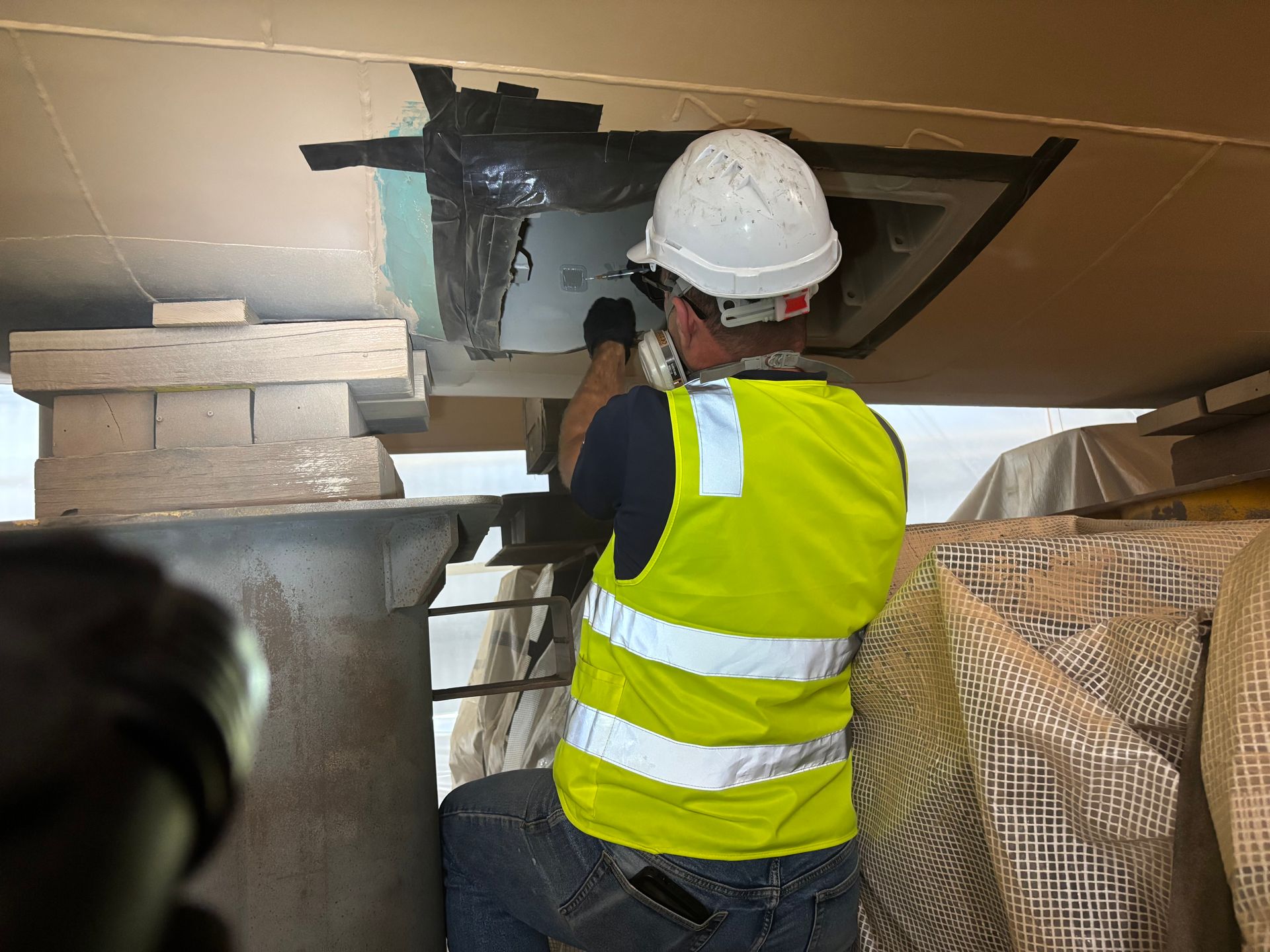
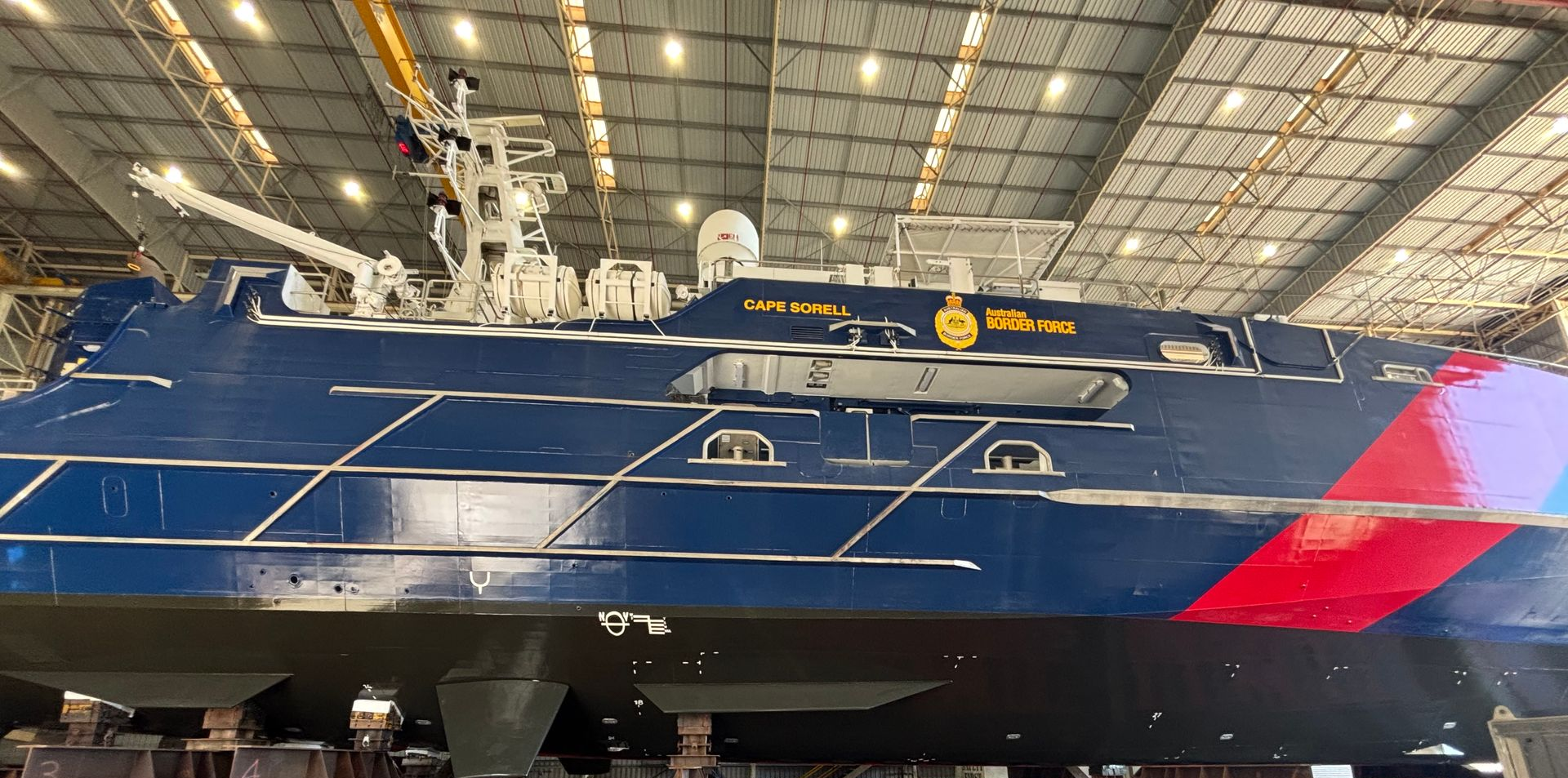
Engaged by the shipbuilder as independent inspector, our senior inspector maintained a continuous on-site presence for the duration of the coating works. Every inspection and test plan stage was independently verified: surface profile, chloride contamination and dust cleanliness after preparation, then wet and dry film thickness and visual inspection across each coat.


The inspection caught first-coat underbuild early enough to correct before the second coat was applied, and final-coat defects, spatter, inclusions and misses, were marked up, rectified and re-verified before completion. At the waterline, Defender was asked to facilitate agreement between both contractors and the coating manufacturer on how the interface would be prepared and sequenced. The methodology we proposed was confirmed by the manufacturer and subsequently written into the revised project specification.

Engaged by the shipbuilder as independent inspector, our senior inspector maintained a continuous on-site presence for the duration of the coating works. Every inspection and test plan stage was independently verified: surface profile, chloride contamination and dust cleanliness after preparation, then wet and dry film thickness and visual inspection across each coat.

The inspection caught first-coat underbuild early enough to correct before the second coat was applied, and final-coat defects, spatter, inclusions and misses, were marked up, rectified and re-verified before completion. At the waterline, Defender was asked to facilitate agreement between both contractors and the coating manufacturer on how the interface would be prepared and sequenced. The methodology we proposed was confirmed by the manufacturer and subsequently written into the revised project specification.

PROJECT SNAPSHOT

Client: Australian shipbuilder


Asset: Commonwealth patrol vessel


Location: Shipyard, Henderson, Western Australia


Scope: Independent verification of above-waterline (AWL) hull coating remediation, including the AWL/below-waterline (BWL) interface


Key Standards: Project coating specification and inspection and test plans; AS 3894.3 dry film thickness testing; surface profile, chloride contamination and dust cleanliness testing


Coating System: Two-pack epoxy build coats with a polyurethane topcoat


Period: April–May 2025 (four-week docking)

Large black boat hull on a red trailer inside an industrial warehouse, under bright overhead lights
Worker in hard hat and hi-vis vest inspecting a damaged ceiling opening in an indoor construction site.

The Outcome

All surface preparation and coating application was verified as meeting the specification and inspection and test plan acceptance criteria. Defects were identified, documented and remediated inside the docking window, not discovered after redelivery.


The vessel returned to service with its above-waterline coating integrity confirmed by an independent, fully documented inspection record, and with an interface methodology now embedded in the manufacturer's specification for future dockings.

This is required
Enter an email Use an address with (@) and (.)
This is required
Enter your phone number Enter a valid number like +1555-123-4567
This is required

Talk to an Inspector

Not sure which service you need? Tell us about your asset and we will point you in the right direction. Contact Defender Corrosion Control to get started.